Most domestic gutter installation jobs are finished within a single day. A terraced house often takes two to four hours, a semi-detached property usually takes half a day to a full day, and a larger detached home can run to a day and a half once downpipes and access are factored in.
That said, every roofline is different. Knowing what pushes a job towards the longer end of that range helps you plan around it, and makes it easier to spot a quote that sounds too good to be true.
How Long Does Gutter Installation Usually Take?
Full gutter replacement is one of the quicker exterior jobs on a house. There’s no drying or curing time to wait for, no internal work, and no making good afterwards, so a competent two person team can usually strip the old system and fit the new one in one visit.
These are typical trade timescales rather than fixed quotes, and they assume a straightforward uPVC replacement with ladder or tower access.
| Property Type | Typical Time on Site |
|---|---|
| Terraced house | Around 2 to 4 hours |
| Semi-detached house | Half a day to a full day |
| Detached house | A full day, up to a day and a half |
| Bungalow | Around half a day |
| Larger or multi-elevation property | One to two days |
What Happens on Installation Day
Knowing the order of events makes the day feel a lot less disruptive. A typical gutter installation runs roughly like this:
- The team arrives, sets up access equipment and protects the ground and planting below the work area.
- The old guttering and downpipes are taken down and set aside for removal.
- The fascia is checked where the new brackets will fix, since brackets need something sound to screw into.
- New brackets are fitted to a measured fall, so water runs towards the outlets rather than sitting in the gutter.
- Gutter lengths, angles and unions are fitted, then downpipes are fixed back to the wall.
- The system is checked for flow and leaks, and the site is cleared of all old material.
The checking stage matters more than people expect. A gutter fitted level rather than to a fall will pool water, and that shows up as sagging and overflow later rather than on the day.
What Affects How Long the Job Takes?
Two houses of the same type can take very different amounts of time. The main variables are:
This is why a timescale given over the phone, without anyone looking at your roofline, is only ever a rough guide. An installer who has measured the property can commit to a realistic window, and that matters if you’re booking time off or arranging access.
How Does Access Change the Timescale?
Access is the single biggest swing factor, and it’s also where safety requirements come in. Gutter work is work at height, which is covered by the Work at Height Regulations 2005. The Health and Safety Executive sets out that work at height must be properly planned and that suitable equipment is selected for the task, which is why a reputable installer won’t simply balance a ladder against a conservatory roof to save an hour.
Ladder or Tower Access
Most two storey homes with clear ground around them can be worked from ladders or a mobile tower. Set up is quick and the job usually stays within the timescales above.
Scaffolding
Scaffolding is needed where the property is tall, the ground is uneven, or there’s a conservatory or extension in the way. The fitting itself doesn’t take longer, but scaffold has to be erected beforehand and struck afterwards, which typically adds a day either side and needs scheduling in.
What If You’re Replacing Fascias and Soffits Too?
Many homeowners replace the full roofline at once, because the guttering has to come down to reach the fascias anyway. Doing it in one visit avoids paying twice for access, but it does extend the job.
A full roofline replacement on a typical semi-detached house usually takes two to three days, and a larger detached property can take up to five. If you’re weighing this up, our guide on what guttering is best for your house covers how to choose a profile that matches new fascias.
Can Weather Delay Gutter Installation?
Yes, though less often than people assume. Light rain isn’t usually a problem, but two conditions will stop work:
Most installers build a little flexibility into the schedule over autumn and winter. If your job is weather dependent, it’s worth asking at the quote stage how rescheduling is handled.
Do You Need to Be at Home?
Usually only at the start and the end. Gutter installation is external work, so there’s no need for access through the house in most cases. What installers do need is access to the rear of the property, which often means unlocking a side gate or moving a car off the drive.
It helps to move garden furniture, bins and pots away from the walls beforehand, and to keep pets indoors while ladders are up. Expect some noise from ladders, drills and old material coming down, but it’s short lived and stays outside. A tidy installer will clear everything away before leaving, so there shouldn’t be anything left for you to deal with afterwards.
Frequently Asked Questions

How Homefix Handle Gutter Installation
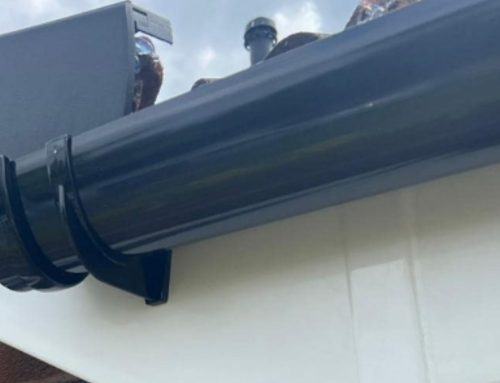
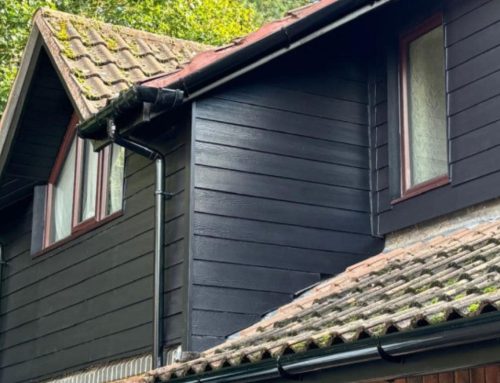
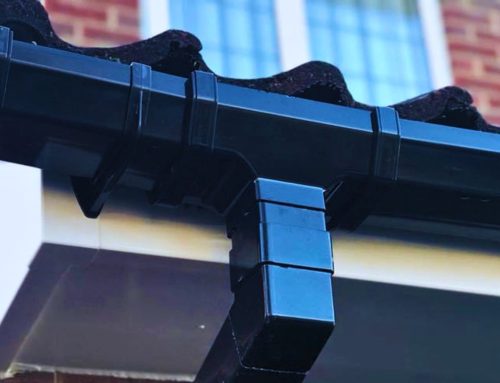
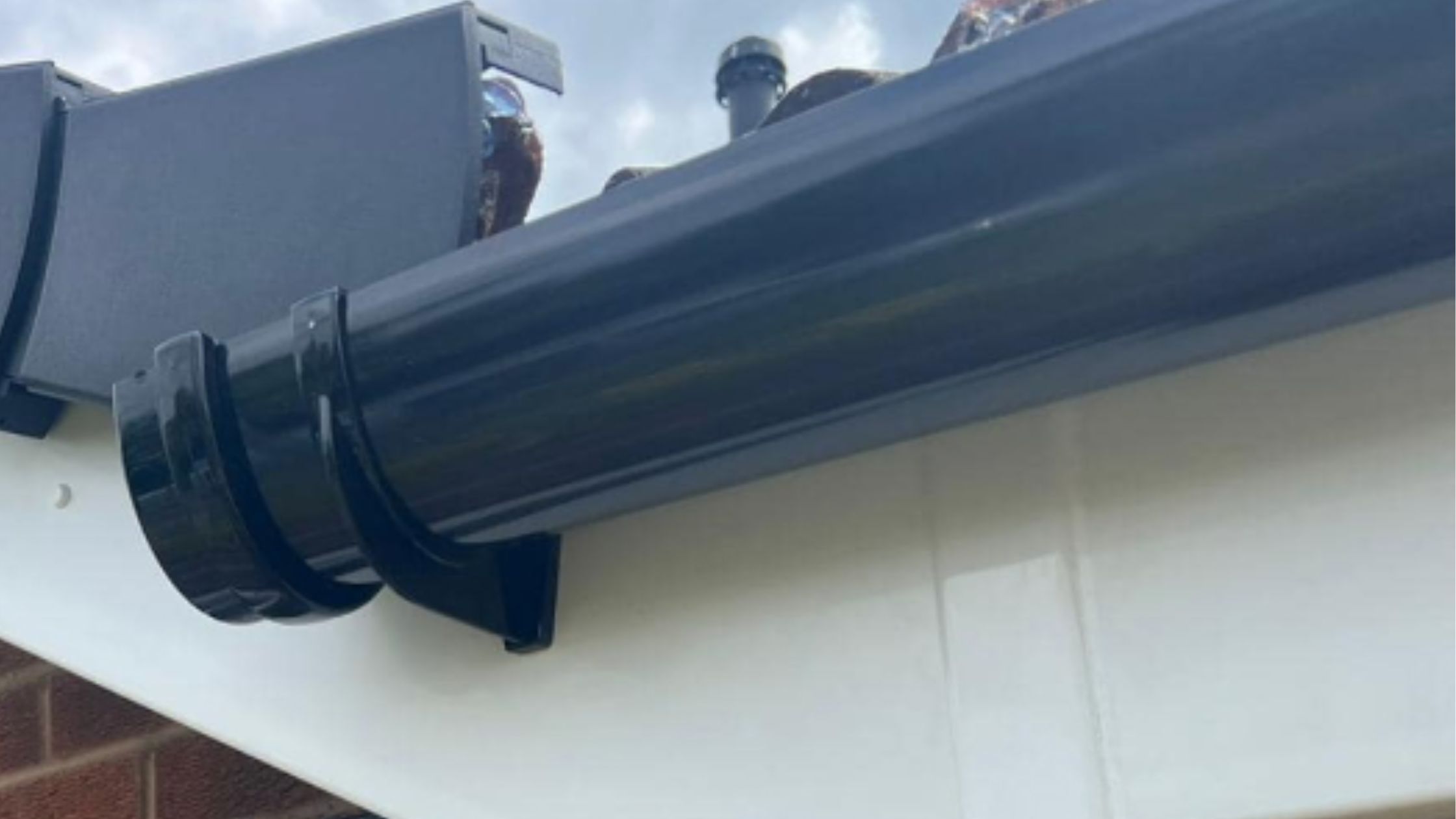
At Homefix, we measure your roofline before the work is booked, so the timescale you’re given reflects your actual property rather than a generic estimate. We fit complete uPVC guttering systems in square, half round, ogee and deepflow profiles, in black, brown, anthracite grey and white.
We specialise in full replacement rather than patching existing systems, and every run is fitted to a proper fall with secure fixings and a watertight finish. All old material is cleared away before we leave, and every installation comes with a 10 year installation guarantee and no deposit required upfront.
For a clear timescale and a fixed price for your property, get in touch for a free, no obligation assessment across Milton Keynes, Aylesbury, Banbury, Luton, Bedford, Northampton, Buckingham and Bicester.