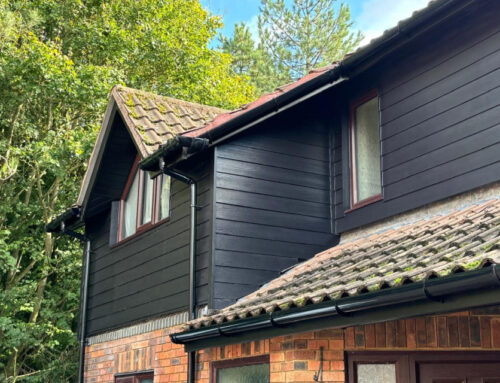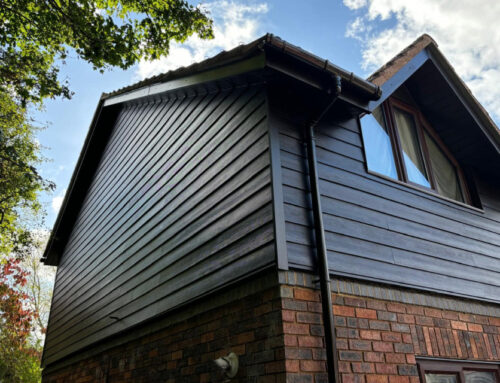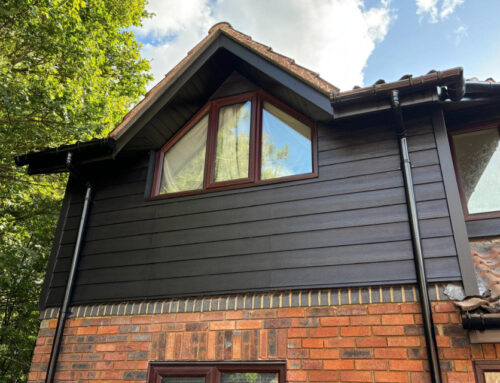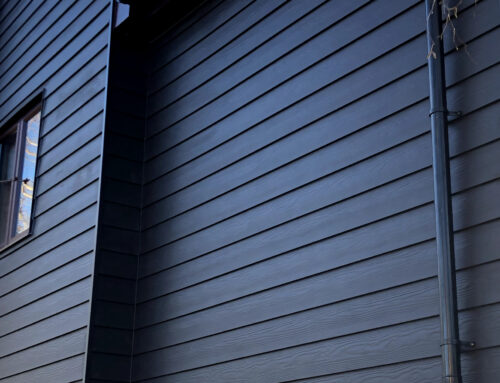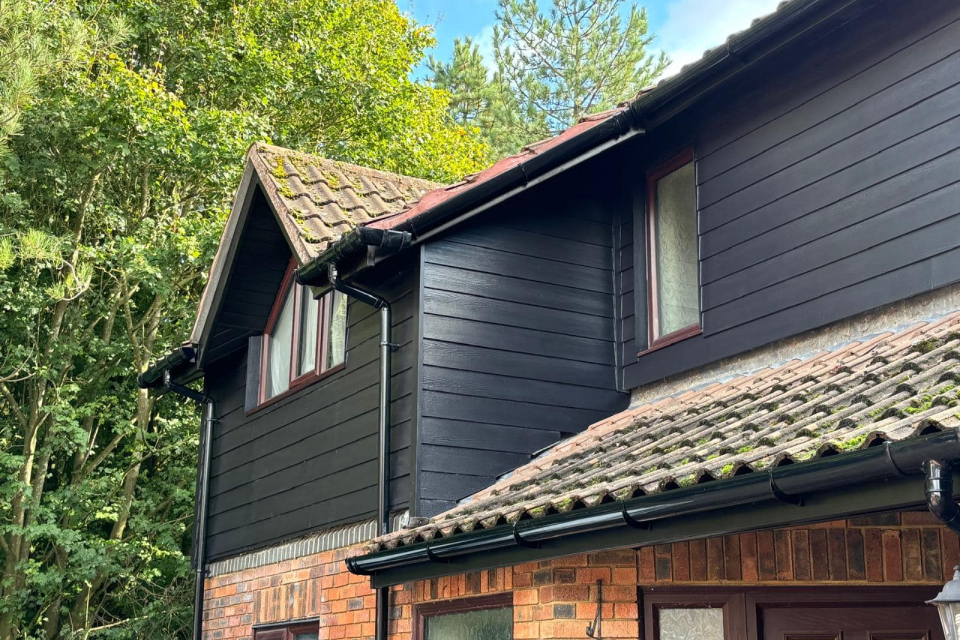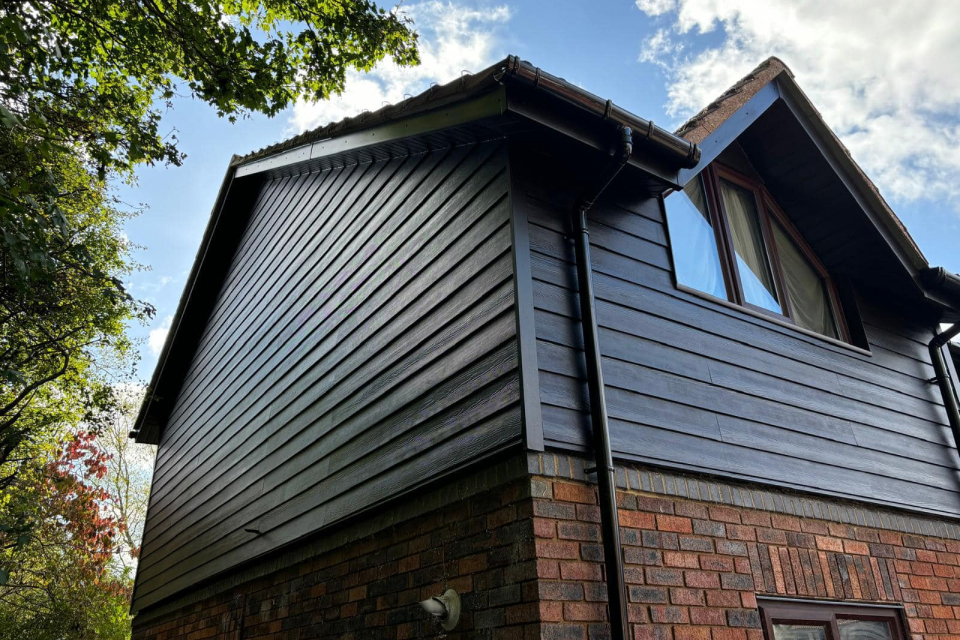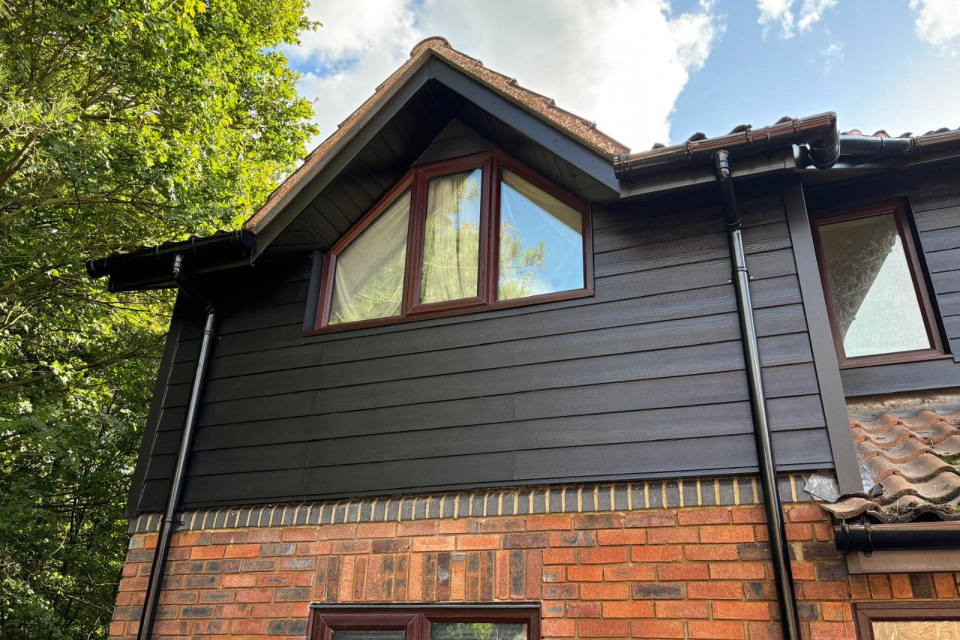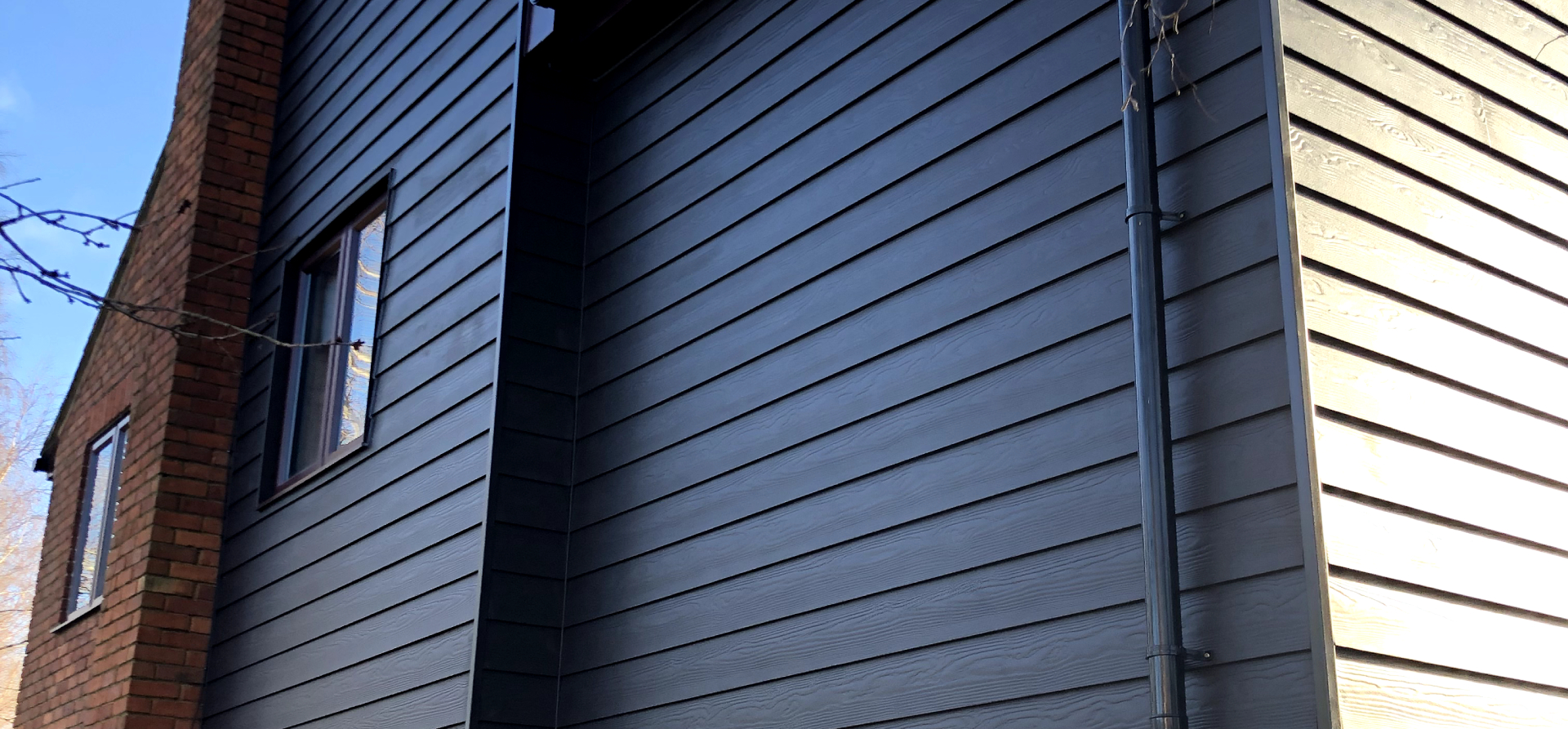

Choosing the best cladding for a house is one of the most important decisions you can make when improving your property. The right home cladding not only enhances appearance but also protects your home from the elements, improves insulation, and increases property value.
But with so many types of house cladding available, how do you know which option is right for you?
In this guide, we will break down the different types of cladding, their pros and cons, and help you choose the best exterior cladding for your home in the UK.
What is House Cladding?
House cladding is an external layer added to the outside of a property to improve both protection and appearance. It acts as a barrier against weather while enhancing kerb appeal and energy efficiency.
External cladding for houses is widely used across the UK for renovations and new builds because it can completely transform the look of a property while adding practical benefits.
Types of house cladding
There are many types of exterior cladding to choose from, each offering different benefits depending on your budget, style, and maintenance preferences.
Here are the most popular types of house cladding in the UK:
1. uPVC cladding
uPVC cladding is one of the most common options for homeowners looking for a cost effective and low maintenance solution.
Benefits
- Very low maintenance
- Affordable
- Weather resistant
- Easy to install
This is often considered one of the best options for homeowners who want external cladding for houses without ongoing upkeep.
2. Composite cladding
Composite cladding is made from a mix of wood fibres and plastic, giving it the appearance of timber with improved durability.
Benefits
- Low maintenance
- Resistant to rot and insects
- Modern appearance
Composite cladding is popular because it combines aesthetics with durability and performs well in wet UK conditions.
3. Timber cladding
Timber remains a classic choice for home cladding thanks to its natural look and versatility.
Benefits
- Beautiful natural finish
- Sustainable material
- Works well for traditional and modern homes
However, timber requires regular treatment to prevent weather damage and maintain its appearance.
4. Fibre cement cladding
Fibre cement is one of the most durable types of exterior cladding available.
Benefits
- Fire resistant
- Long lasting
- Low maintenance
It is often considered one of the best cladding materials for UK homes due to its strength and resistance to weather conditions.
5. Metal cladding
Metal cladding such as aluminium or steel is often used for modern homes.
Benefits
- Sleek contemporary look
- Lightweight
- Highly durable
This option is ideal for homeowners wanting a modern architectural finish.
6. Stone cladding
Stone cladding offers a premium and timeless appearance.
Benefits
- Extremely durable
- Adds value to your home
- Natural aesthetic
Stone has been used for centuries due to its strength and longevity.
What is the best cladding for a house
There is no single best cladding for every home. The right choice depends on your budget, maintenance preferences, and the style of your property.
However, for most UK homeowners, the best options are
- Fibre cement for durability and fire resistance
- Composite for low maintenance and modern design
- uPVC for affordability and practicality
What cladding to avoid
Not all cladding materials are suitable for every home.
You may want to avoid
- Cheap timber without proper treatment as it can rot quickly
- Low quality composite that fades or scratches easily
- Materials not suited to UK weather conditions
Poor installation can also cause issues such as damp and structural damage, so always choose experienced professionals.
What is the least maintenance cladding
If you want a low maintenance solution, the best options are
- uPVC cladding
- Composite cladding
- Fibre cement cladding
These materials require little more than occasional cleaning and do not need painting or sealing.
Advantages of external cladding
Installing external cladding for houses offers several benefits
- Improves kerb appeal
- Protects against weather damage
- Enhances insulation
- Increases property value
- Reduces maintenance depending on material
Disadvantages of cladding
While cladding has many benefits, there are also some drawbacks
- Initial cost can be high
- Installation can be time consuming
- Some materials require ongoing maintenance
- Poor installation can lead to damp issues
Conclusion
Choosing the best cladding for a house depends on your priorities. If you want low maintenance, go for composite or uPVC. If durability is your focus, fibre cement or stone are excellent choices.
At Homefix MK, we help homeowners choose and install the best external cladding for houses tailored to their needs. Whether you want a modern finish or a traditional look, the right cladding can completely transform your home.
Frequently Asked Questions

Trust HomeFix for Professional Cladding Services
At HomeFix, we’ve been helping homeowners across Buckinghamshire, Bedfordshire, Hertfordshire, and Northamptonshire protect and enhance their properties for over 10 years. We understand that choosing and installing cladding is a significant investment, which is why we only use high-quality materials fitted to BBA standards.
Our experienced team ensures every installation is completed to the highest standards, backed by our 10-year installation guarantee. Whether you’re considering new cladding or need to replace existing panels, we offer free, no-obligation consultations to discuss your options.
Ready to discuss your cladding project? Give us a call on 01908 631676 or fill out our online form for a free quote. We’re here to help you make the right choice for your home.