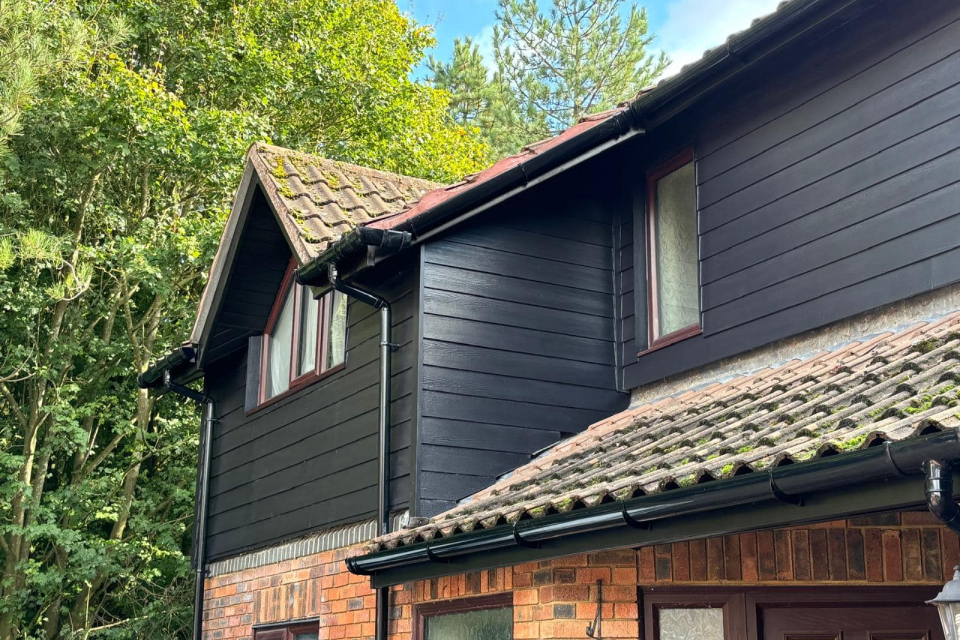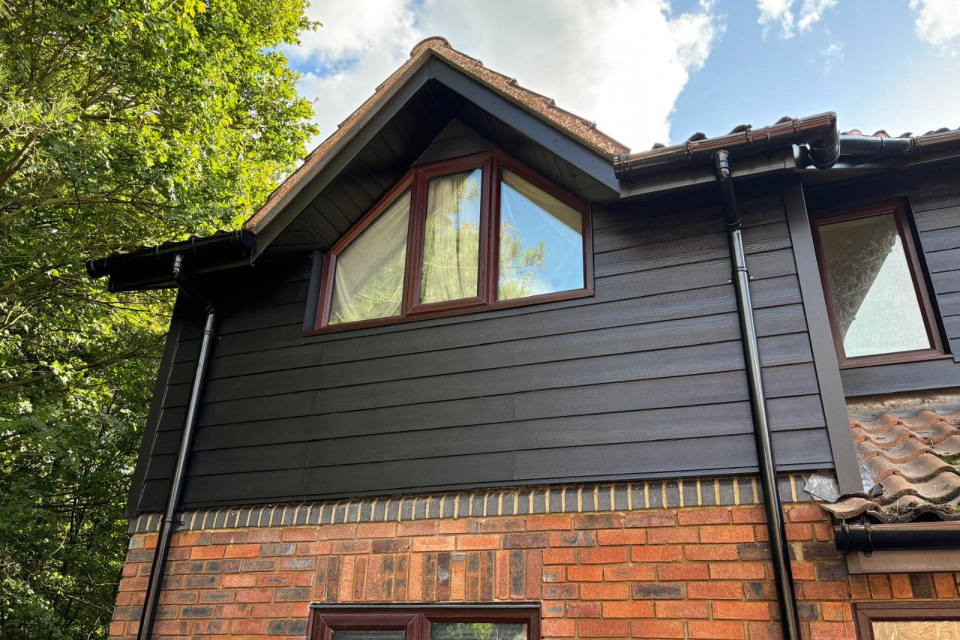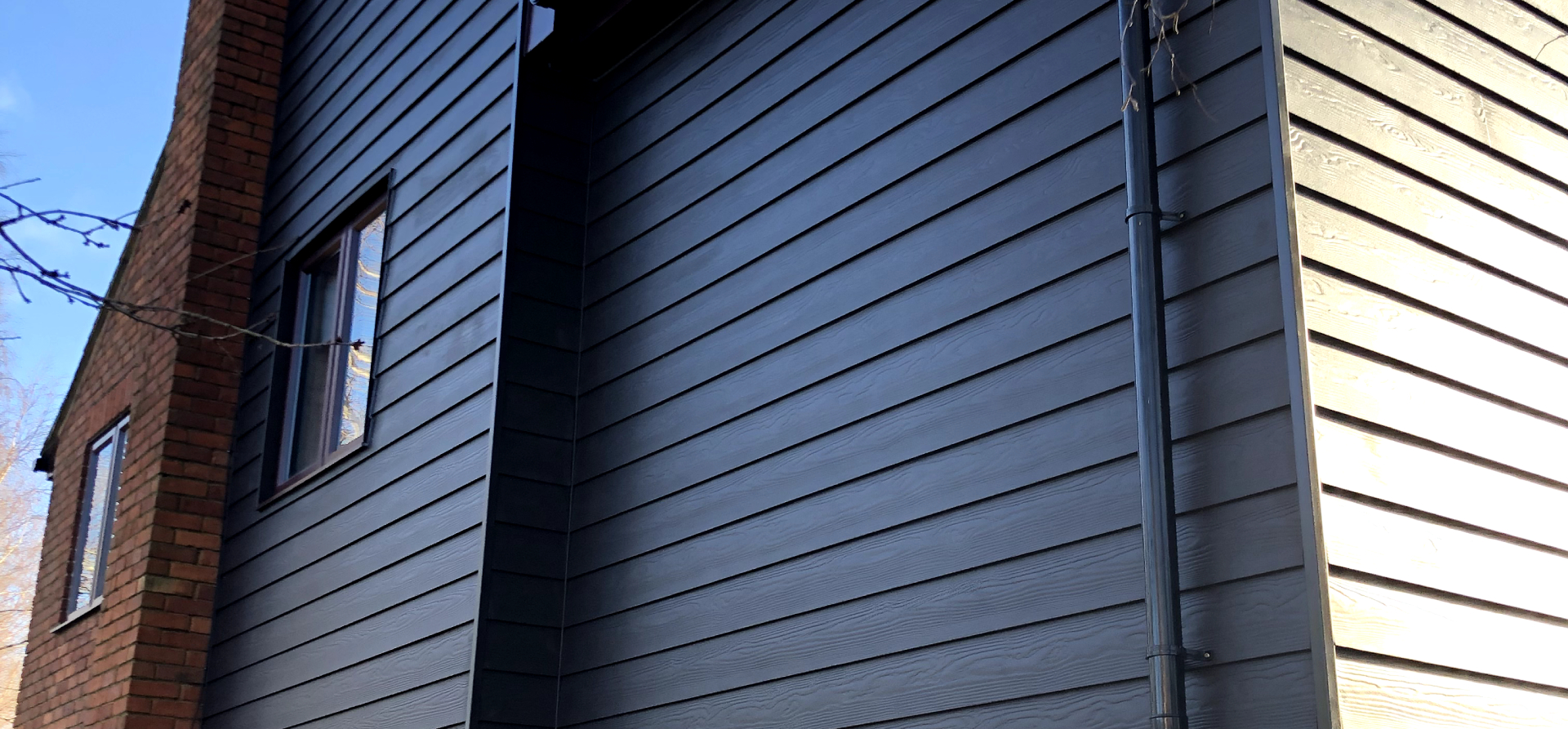
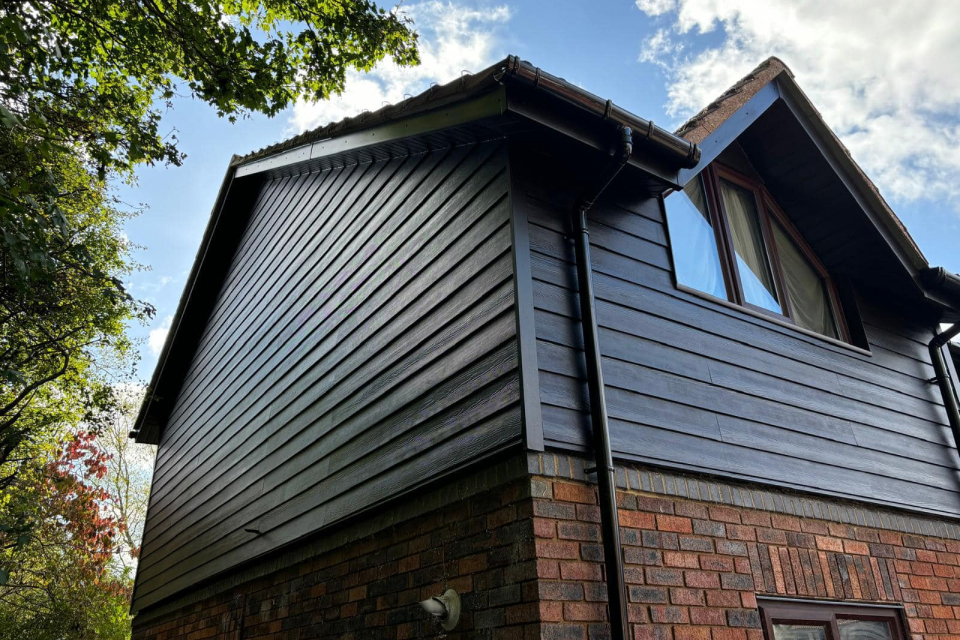
Cladding your house is one of the most transformative exterior home improvements you can make. From improving kerb appeal to increasing weather protection and energy efficiency, house cladding has become a popular choice for homeowners across the UK. Whether you are considering PVC cladding, UPVC cladding, timber cladding, fibre cement cladding or weatherboard cladding, this guide will help you understand if adding external cladding is worth it for your property.
What is External House Cladding?
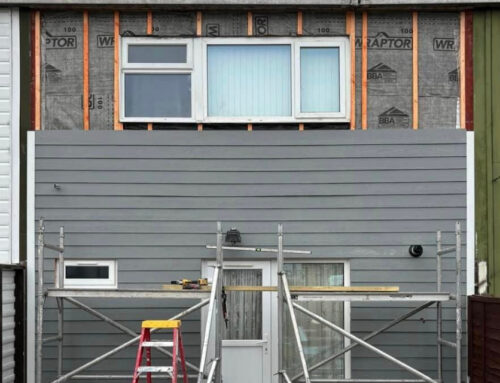
House cladding (also called outdoor cladding or exterior cladding) is essentially a weatherproof “jacket” for your home’s walls. It consists of panels or boards fixed onto battens, creating a gap between the cladding and the wall. This setup provides an extra layer of insulation and a ventilated cavity to keep moisture at bay. Unlike painting or rendering directly onto brick, cladding adds a non-structural skin to the outside of your house. The result is a transformed appearance and improved protection against the elements.
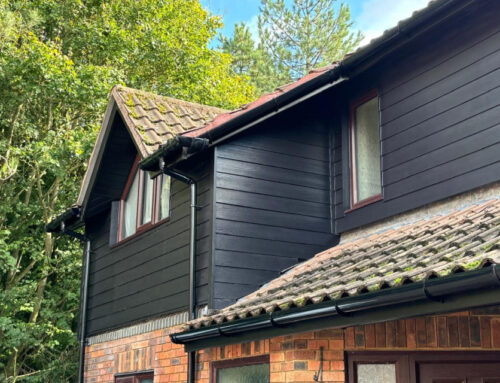
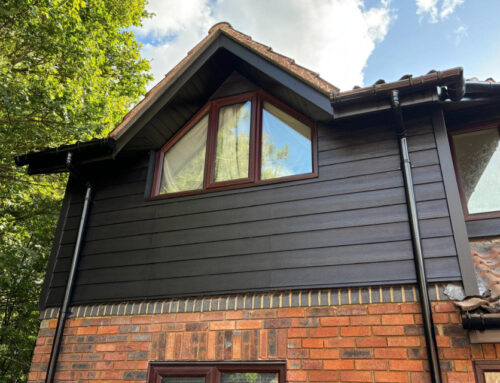
Homeowners are increasingly choosing to clad their houses because it combines practical benefits with aesthetics. A well installed cladding system shields your walls from rain, wind, and temperature fluctuations, helping prevent issues like damp or mould. At the same time, it can completely refresh the look of an older property; imagine covering tired brick or pebbledash with crisp new boards for instant kerb appeal.
If you’re planning other exterior upgrades like replacing your fascias and soffits or guttering at the same time, cladding can complement those improvements nicely. Many homeowners opt for a full package to give their home a complete facelift in one go.
Top benefits of cladding your home
Read more about what cladding actually is here.
Popular types of cladding materials
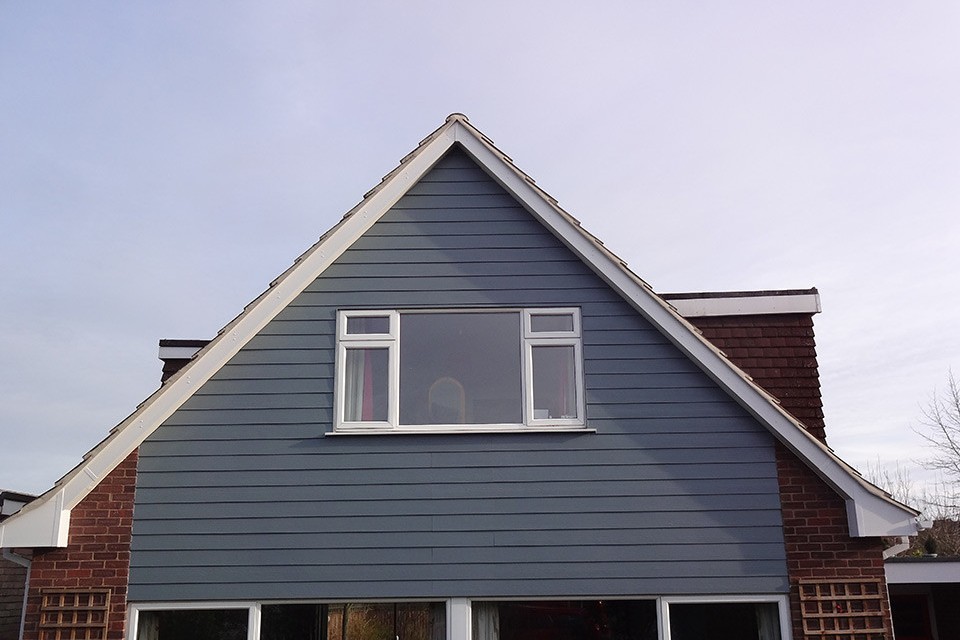
uPVC Cladding
uPVC cladding is a very popular choice thanks to its affordability and low maintenance. These are lightweight plastic boards, often designed with a wood grain effect, that won’t rot or rust. uPVC (unplasticised PVC) is essentially PVC cladding formulated to be rigid and durable.
It’s available in many colours and styles (from shiplap boards to textured finishes). Once installed, uPVC cladding typically lasts 20–30+ years with minimal care.
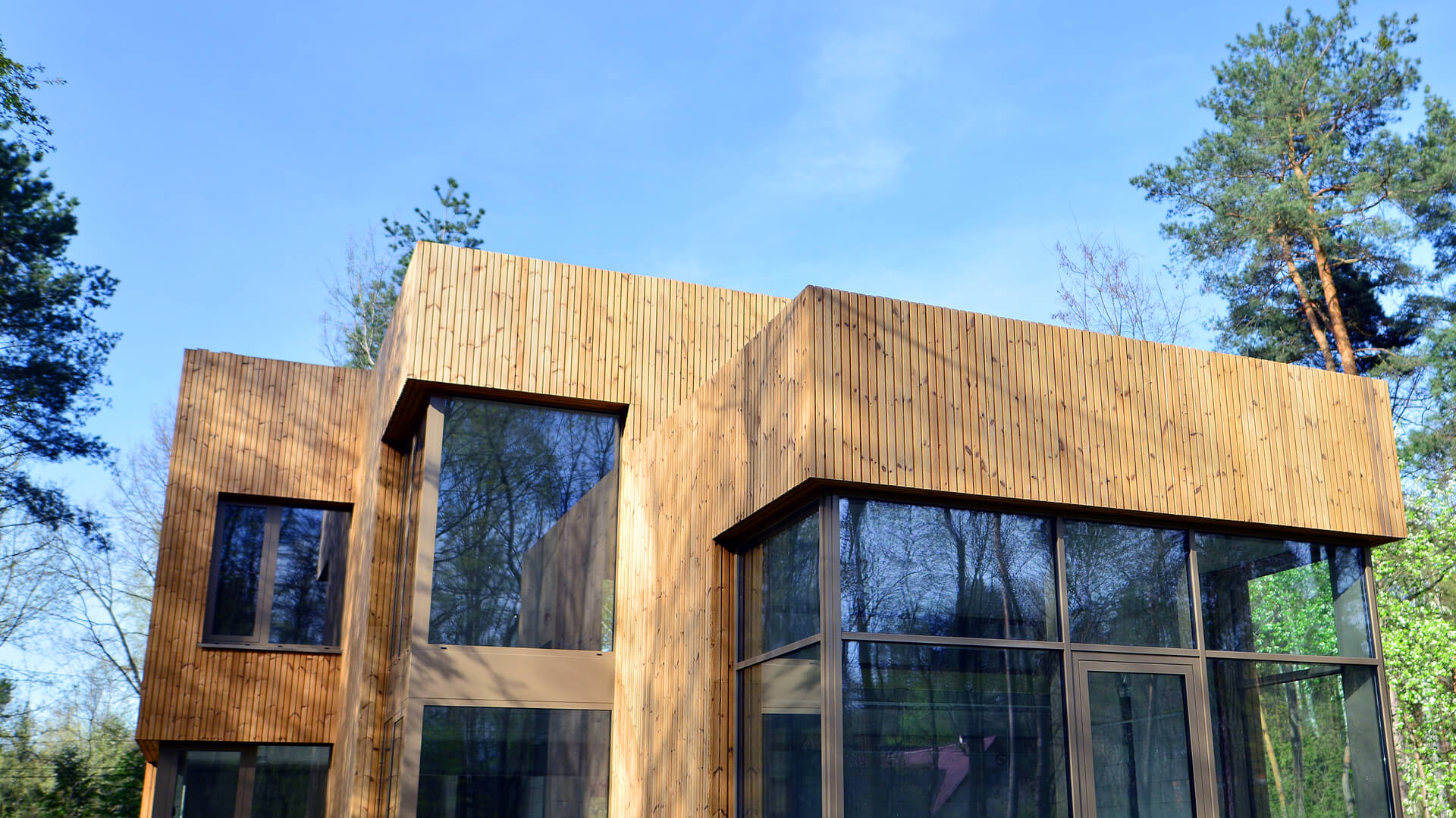
Timber Cladding
Timber cladding gives a timeless, natural appearance. Common timbers for cladding include cedar, larch, and redwood, which have natural resistance to decay. If you’re going for a classic weatherboard cladding look, timber is a go to choice.
On the other hand, wood requires upkeep. You’ll need to repaint or re-stain timber cladding every few years and keep an eye out for any signs of rot or insect damage. Properly maintained, timber cladding can last anywhere from 20 up to 40+ years
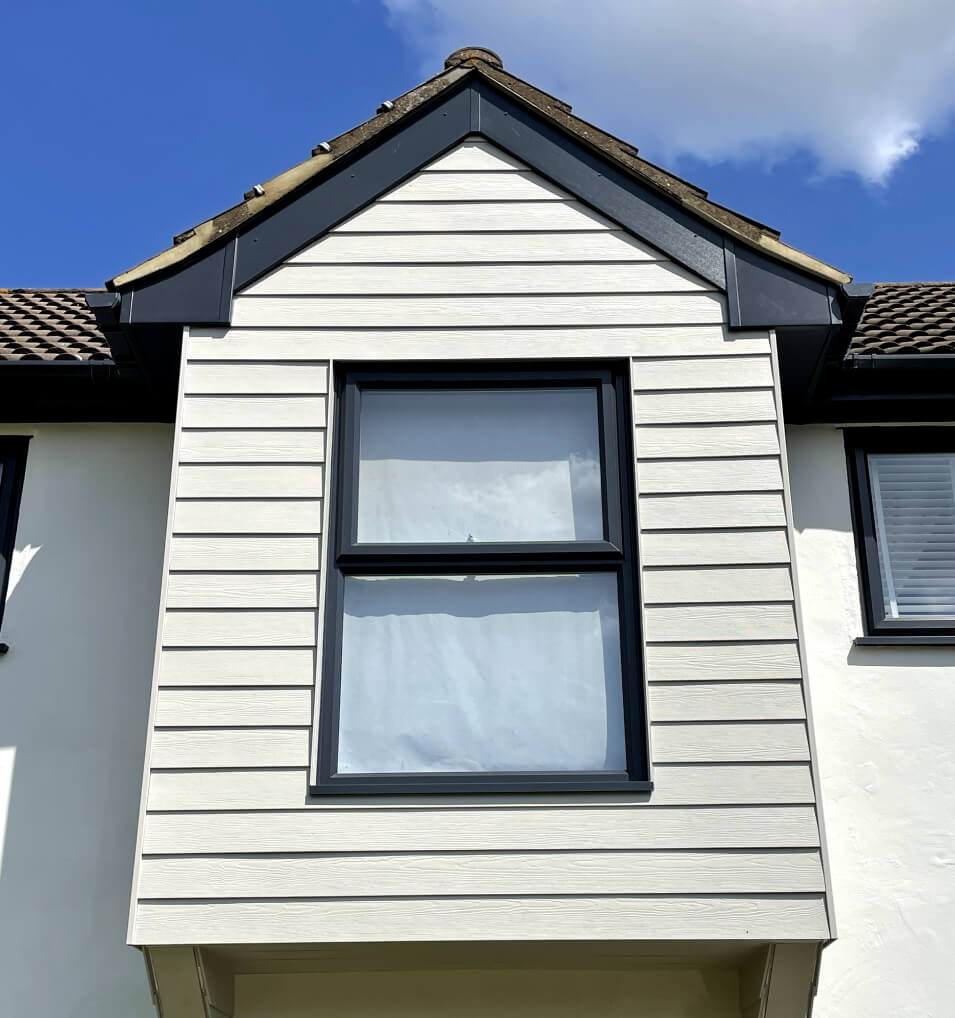
Fibre Cement Cladding
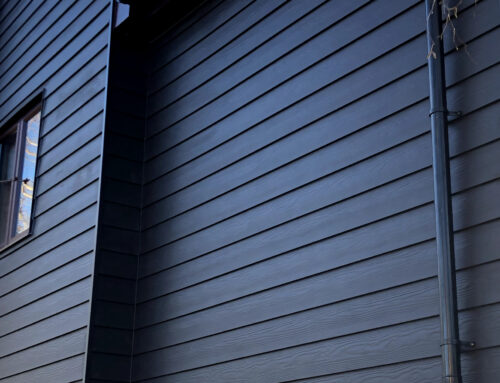
Fibre cement cladding is an increasingly popular high performance option. This material is made from a mix of cement, sand, and cellulose fibres. It often comes in planks or panels that mimic wood boards (brands like HardiePlank or Cedral are common in the UK).
It doesn’t rot, warp, or get eaten by insects, and it’s fire resistant (an important point for safety). These systems can easily last 30-50 years with little more than the occasional cleaning
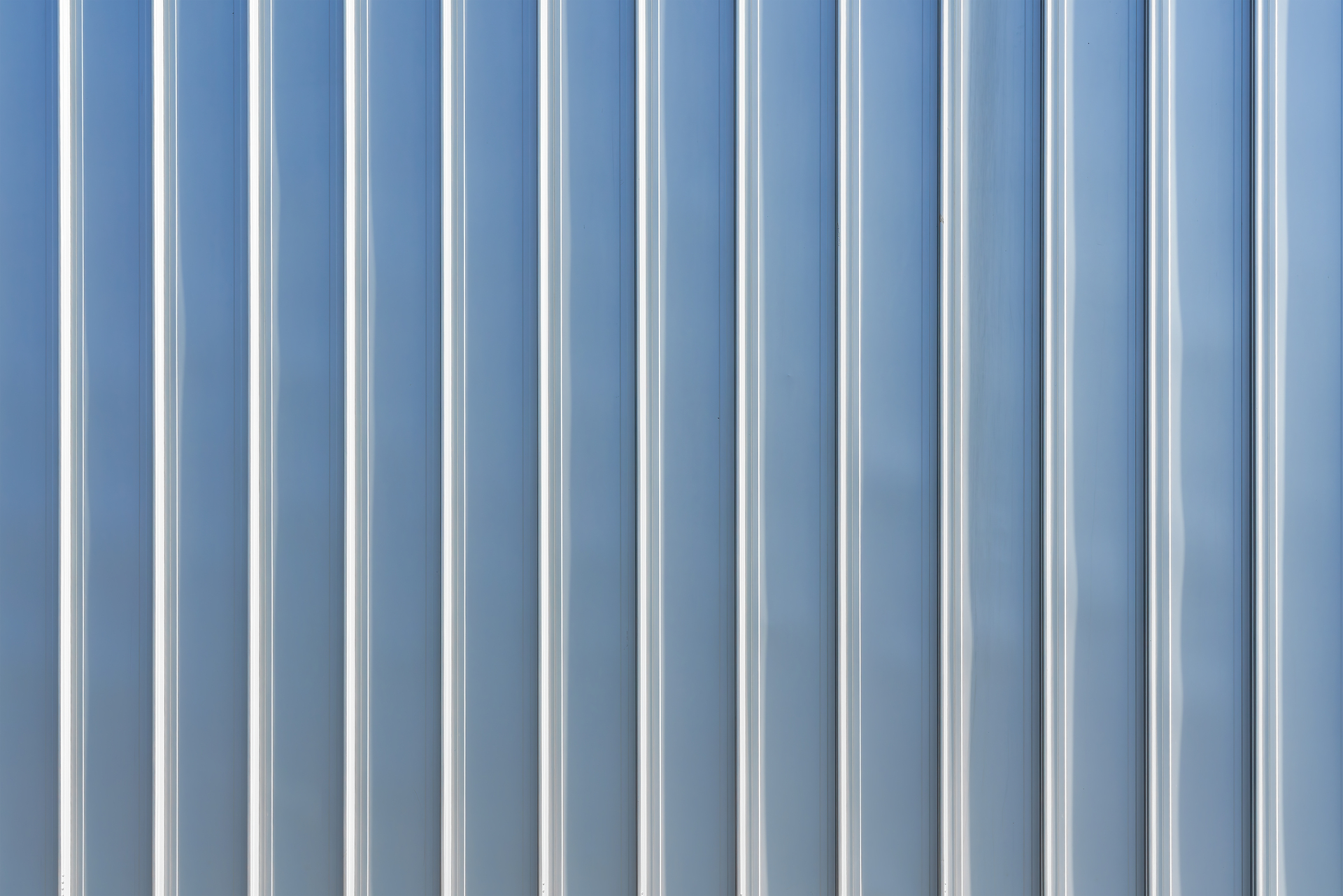
Metal Cladding
Metal cladding has become a favoured choice for modern and industrial aesthetics in the United Kingdom. It has exceptional durability and low maintenance requirements, often requiring only simple cleaning to maintain its appearance.
Aluminium is a popular option due to its lightweight nature and resistance to corrosion, making it particularly suitable for coastal environments where salt spray can damage other materials. It typically offers a lifespan of forty years or more.
Things to consider before installing cladding
Planning permission and building regulations
Planning Permission: Generally, adding cladding to a single family house falls under permitted development (no planning permission required), especially if using similar appearance materials. But there are exceptions. If your home is a listed building or in a conservation area, or if you’re dramatically changing its appearance, you should check with your local council.
Proper installation
Proper installation is crucial. Cladding itself doesn’t cause damp, but if it’s fitted poorly it can lead to moisture getting trapped. Issues arise if there aren’t adequate ventilation gaps or if flashing around windows and doors isn’t done right. Always use experienced installers so your cladding can “breathe” and moisture can escape. A reputable cladding company will ensure things like weatherproof membranes and ventilated cavities are in place to avoid any damp problems.
Material choice
Cladding will change the entire look of your house, so you want to choose a style and colour you’ll be happy with for the long term. It’s worth viewing samples of exterior cladding in person or looking at similar homes in your area. For example, weatherboard cladding (horizontal lap boards) gives a traditional look, while vertical panels can appear more contemporary. Make sure the cladding style complements your property’s character (and check if any local restrictions on appearance apply).
Proper care can significantly extend how long your cladding lasts. Here are practical steps you can take:
Frequently Asked Questions

Trust HomeFix for Professional Cladding Services
At HomeFix, we’ve been helping homeowners across Buckinghamshire, Bedfordshire, Hertfordshire, and Northamptonshire protect and enhance their properties for over 10 years. We understand that choosing and installing cladding is a significant investment, which is why we only use high-quality materials fitted to BBA standards.
Our experienced team ensures every installation is completed to the highest standards, backed by our 10-year installation guarantee. Whether you’re considering new cladding or need to replace existing panels, we offer free, no-obligation consultations to discuss your options.
Ready to discuss your cladding project? Give us a call on 01908 631676 or fill out our online form for a free quote. We’re here to help you make the right choice for your home.