Cladding is a long-term investment in your home’s protection and appearance, so naturally you’ll want to know how many years of service you can expect from it.
Most cladding lasts between 20 and 50 years, depending on the material you choose. uPVC typically gives you 20 to 35 years, timber ranges from 15 to 40 years, whilst fibre cement and metal options can last 40 to 50 years or more. Proper installation and regular maintenance are crucial for reaching these lifespans.
The exact lifespan depends on several factors, including the type of material you choose, how well it’s maintained, and the weather conditions your home faces. In this guide, we’ll walk you through everything you need to know about cladding longevity, helping you make informed decisions about protecting your home.
What Affects How Long Cladding Lasts?
Before we look at specific materials, it’s worth understanding what influences cladding longevity. Several factors play a role:
If you’re still learning the basics, you might want to read about what cladding actually is before diving into lifespan expectations.
Lifespan by Cladding Type
Different cladding materials have vastly different lifespans. Here’s what you can expect from the most common options.
uPVC Cladding
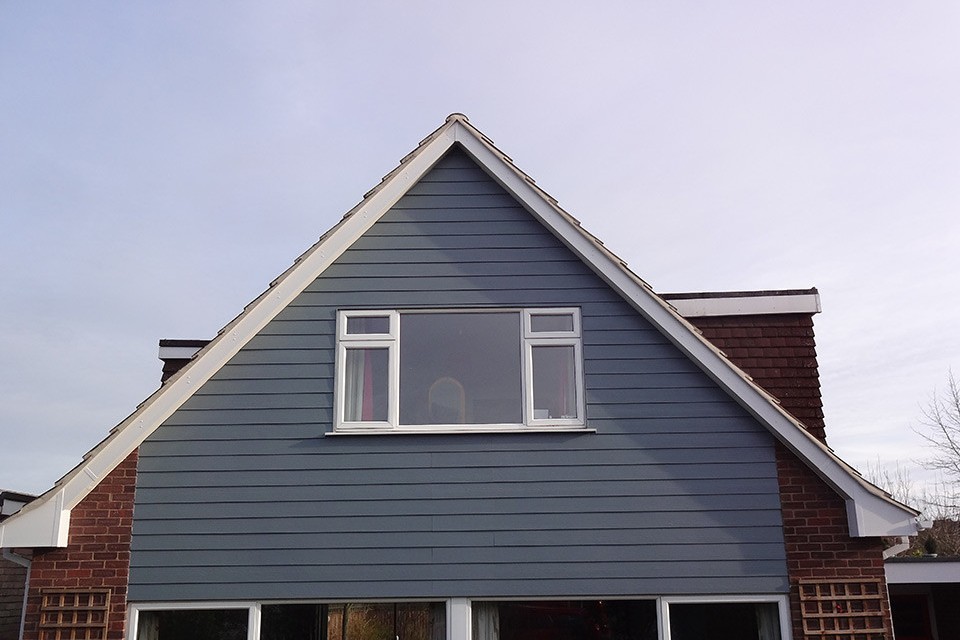
uPVC is one of the most popular choices for UK homes, and for good reason. When properly installed and maintained, uPVC cladding typically lasts between 20 to 35 years.
The material is naturally resistant to rot, rust, and insect damage. It doesn’t need painting and maintains its appearance with minimal effort. However, prolonged exposure to UV rays can cause some colour fading over time, particularly with darker shades.
Timber Cladding
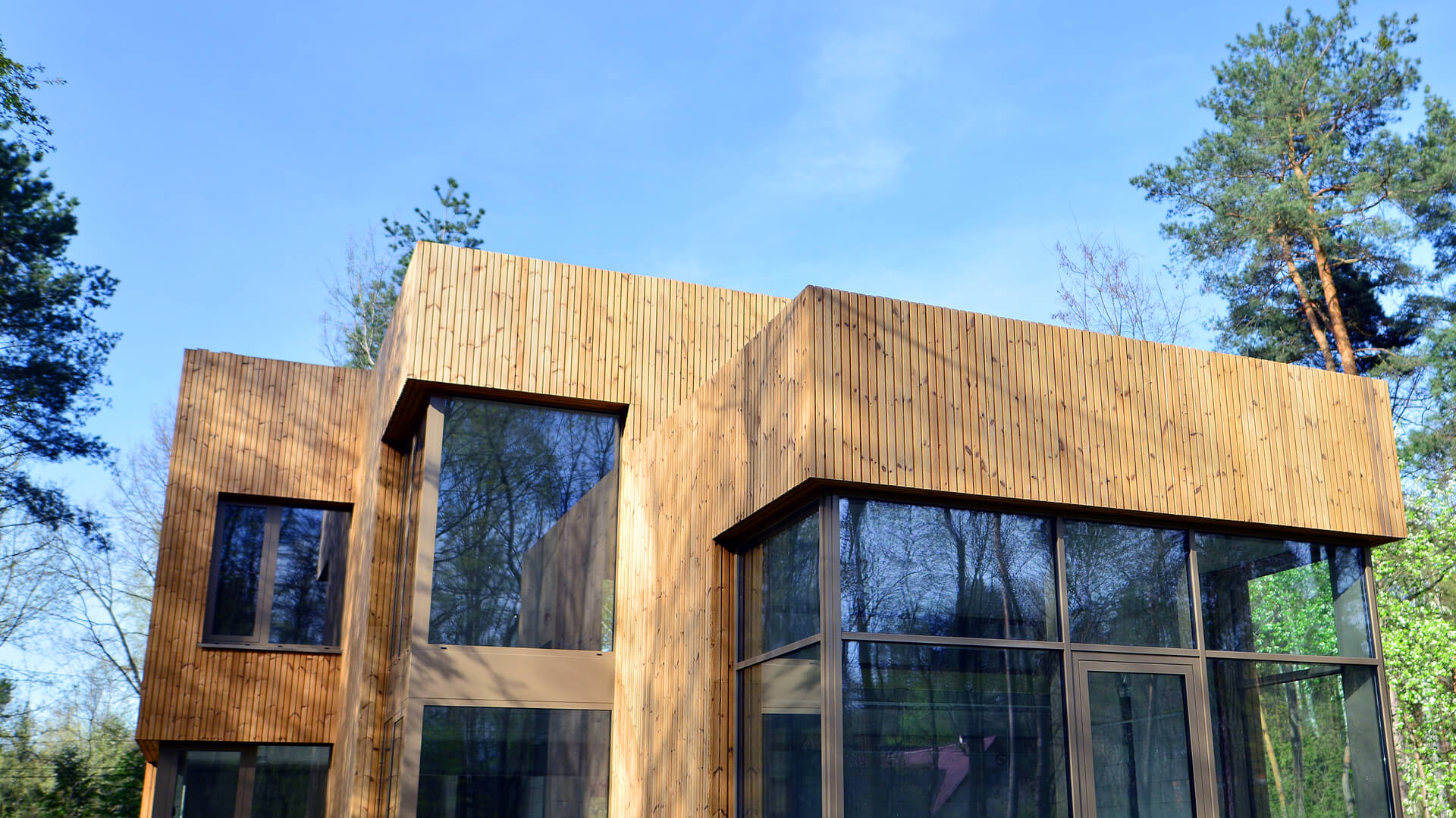
Timber offers a natural, attractive finish but requires more maintenance than synthetic alternatives. Softwood cladding generally lasts 15 to 25 years, while hardwood varieties can reach 40 years or more with proper care.
The key to longevity with timber is regular treatment. You’ll need to apply protective coatings every few years to guard against moisture, rot, and insect damage. Without this maintenance, timber can deteriorate much faster.
Fibre Cement Cladding
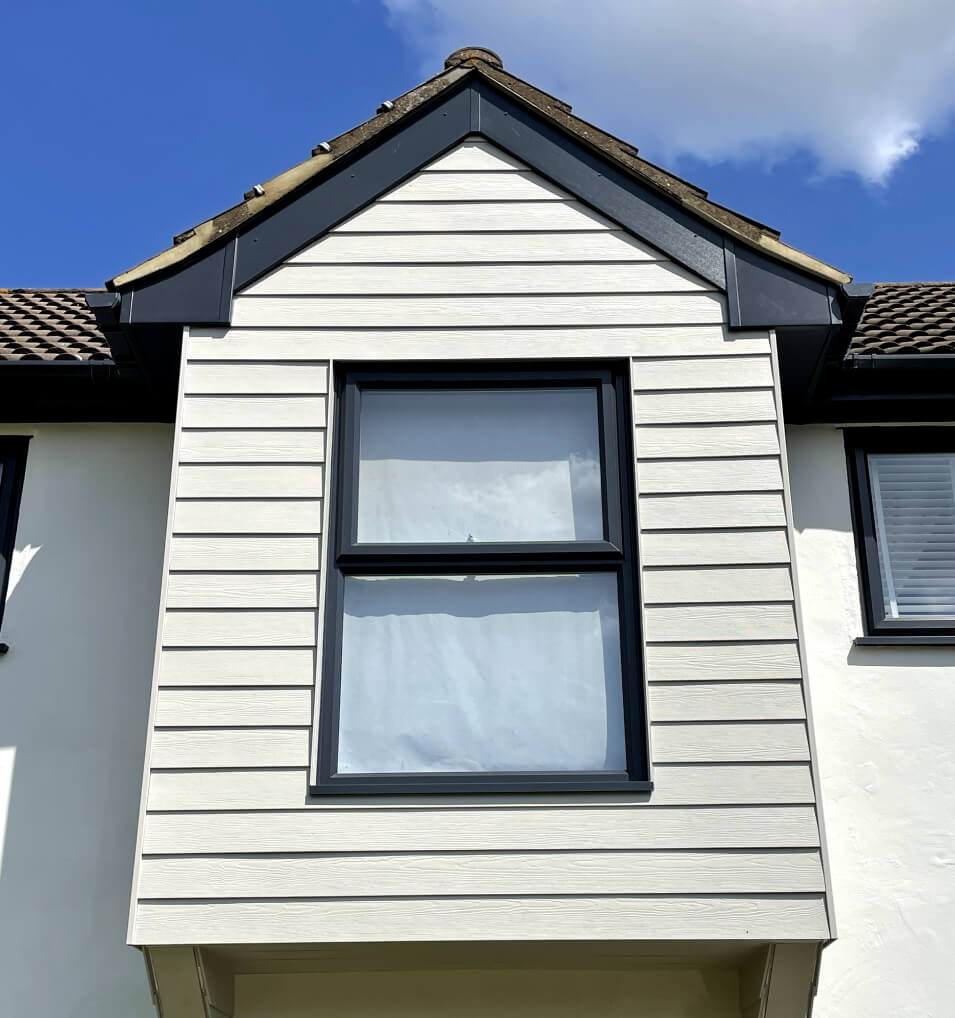
Fibre cement is an increasingly popular choice that combines durability with low maintenance. This material typically lasts 30 to 50 years, making it one of the longest-lasting options available.
It’s fire-resistant, won’t rot, and handles moisture well. The main drawback is that it can crack if struck with significant force, though this is relatively uncommon in normal circumstances.
Metal Cladding
Aluminium and steel cladding are extremely durable options. Aluminium typically lasts 40 to 50 years, while properly treated steel can last even longer.
Both materials resist moisture, won’t rot, and require minimal maintenance. Aluminium won’t rust, whilst steel needs appropriate protective coatings to prevent corrosion.
Thinking about upgrading your home’s exterior? Get in touch with our team to discuss which cladding option best suits your property and budget.
Signs Your Cladding Needs Replacing
Even with proper maintenance, all cladding eventually reaches the end of its useful life. Watch out for these warning signs:
Visible cracks or splits
Visible cracks or splits indicate structural problems that can let water into your walls. This is particularly concerning and should be addressed quickly.
Warping or buckling
Warping or buckling suggests the material is breaking down or was poorly installed. This compromises both appearance and protection.
Discolouration or fading
Discolouration or fading beyond normal weathering may indicate the material is degrading. While some fading is natural, extensive discolouration often signals deeper issues.
Mould or algae growth
Mould or algae growth that keeps returning despite cleaning suggests moisture is getting trapped behind the cladding.
Increased Energy Bills
Increased energy bills can indicate your cladding is no longer providing adequate insulation.
Water stains inside your home
Water stains inside your home are a serious red flag. They suggest water is penetrating through the cladding system and potentially causing hidden damage.
If you notice any of these issues, it’s worth having a professional assessment. Early intervention can often prevent more extensive and expensive problems.
How to Extend Your Cladding’s Lifespan
Proper care can significantly extend how long your cladding lasts. Here are practical steps you can take:
Clean regularly
A gentle wash once or twice a year removes dirt, algae, and pollutants that can gradually degrade materials. Use a soft brush and mild detergent rather than a pressure washer, which can damage some cladding types.
Inspect annually
Walk around your property once a year looking for damage, loose fixings, or early signs of deterioration. Catching problems early makes repairs simpler and cheaper.
Trim vegetation
Keep plants, shrubs, and trees away from your cladding. Branches can scratch surfaces, whilst moisture from overhanging foliage encourages rot and mould.
Address damage promptly
Don’t ignore small issues. A minor crack or loose panel today can become a major problem if left unattended.
Maintain protective coatings
If your cladding requires painting or sealing, keep up with the recommended schedule. These treatments are your first line of defence against the elements.
Ensure proper ventilation
Good airflow behind the cladding prevents moisture build-up that can lead to rot and deterioration.
Want to make sure your cladding is properly installed from the start? Our experienced team specialises in professional fitting that maximises longevity.
When to Consider Replacement
Sometimes repair isn’t enough, and full replacement makes more sense. Consider replacing your cladding if:
Frequently Asked Questions

Trust HomeFix for Professional Cladding Services
At HomeFix, we’ve been helping homeowners across Buckinghamshire, Bedfordshire, Hertfordshire, and Northamptonshire protect and enhance their properties for over 10 years. We understand that choosing and installing cladding is a significant investment, which is why we only use high-quality materials fitted to BBA standards.
Our experienced team ensures every installation is completed to the highest standards, backed by our 10-year installation guarantee. Whether you’re considering new cladding or need to replace existing panels, we offer free, no-obligation consultations to discuss your options.
Ready to discuss your cladding project? Give us a call on 01908 631676 or fill out our online form for a free quote. We’re here to help you make the right choice for your home.